Tag: Gaming Network
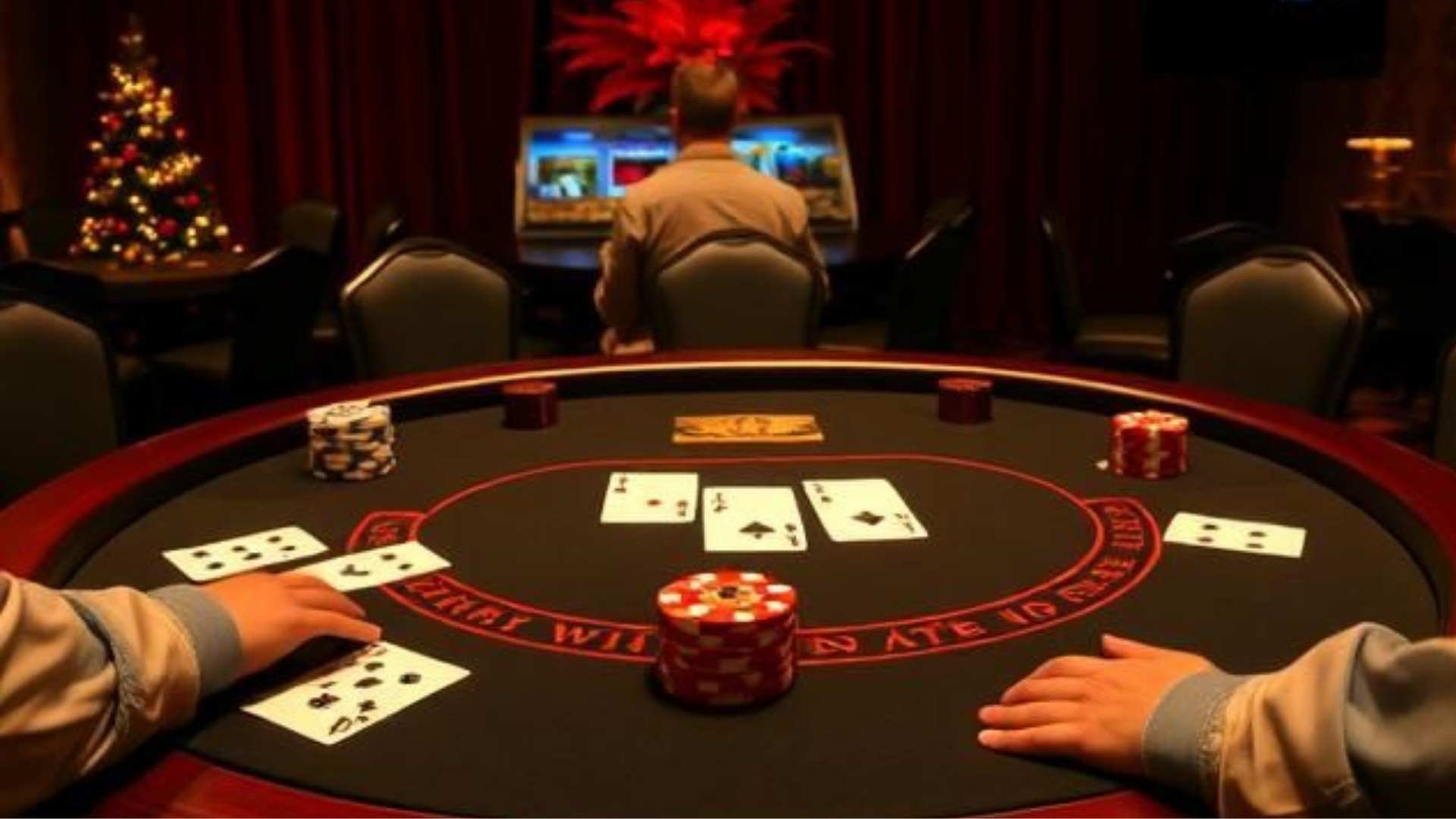
Poker Bluffing Guide For Strong Mental Discipline
Mastering the art of deception at the poker table requires far more than basic card knowledge or mathematical formulas. True success stems from a highly trained psychological framework that allows players to execute high-stakes plays without betraying their strategy. Developing this level of restraint ensures that every move serves a long-term tactical purpose rather than an emotional whim.
The Foundations of Emotional Regulation
Maintaining absolute emotional stability during a high-pressure hand separates seasoned professionals from casual enthusiasts. When a player succumbs to frustration or excitement, their betting patterns immediately become predictable to observant opponents. Cultivating an unshakeable mindset prevents minor setbacks from ruining an entire competitive session.
Before attempting a complex strategic deception, one must learn to control physical tells and subtle behavioral fluctuations. Consistent breathing exercises and deliberate mental focus can significantly reduce the internal anxiety associated with massive risks. Practicing these foundational techniques creates a reliable armor against intense psychological pressure from rivals.
Strategic Timing and Self-Control
Executing a successful bluff relies heavily on selecting the perfect moment rather than forcing opportunities out of impatience. Disciplined players analyze the overall table dynamics and historical betting sequences before committing their hard-earned chips. Waiting for the ideal situational alignment ensures a much higher probability of forcing opponents to fold.
To enhance your overall strategy and learn advanced decision-making frameworks, accessing specialized platforms can provide significant value. Active participants frequently visit the trusted login situs m88 portal to discover professional tactical analyses and card gaming resources. Utilizing these insights helps competitive minds recognize optimal table scenarios with greater clarity.
Analyzing Risk Versus Expected Value
Every single deceptive play carries an inherent financial danger that must be calculated precisely against potential tournament rewards. A disciplined mind treats chips as purely analytical tools rather than representations of personal pride or emotional validation. This objective perspective allows for calculated semi-bluffs that retain multiple backup paths to victory.
Reckless aggression without a solid structural plan typically results in rapid depletion of a player's resource pool. Evaluating the total pot size and the likely range of your opponent ensures that every risk remains mathematically justified. This strict approach filters out low-probability maneuvers that compromise long-term stability.
Long-Term Psychological Perseverance
Building strong mental endurance requires treating poker as an extended marathon rather than a sequence of individual isolated hands. Experiencing unexpected downswings is a standard element of card strategy that tests even the most resilient competitors. Staying committed to proven tactical principles ensures consistent results across multiple gaming sessions.
Ultimately, combining sharp mathematical calculation with rigid personal discipline transforms standard gameplay into an unshakeable professional system. Continued practice converts these complex psychological guidelines into natural, second-nature responses at the felt. Protecting your mental clarity remains the ultimate asset for dominating high-stakes environments.

How Bridge Games Develop Analytical Thinking
Bridge is widely recognized as one of the most intellectually demanding card games ever created, requiring players to constant adapt to shifting strategies. Unlike games that rely purely on luck or simple card counting, bridge demands a high level of critical reasoning and cooperation. Engaging in this timeless game regularly serves as an exceptional mental exercise that sharpens problem-solving skills and long-term planning.
Evaluating Complex Probability on the Fly
Every hand dealt in bridge presents a unique puzzle that requires players to calculate probabilities and assess risks in real time. Players must constantly analyze the cards in their own hand while making logical deductions about the remaining hidden cards. This continuous calculation trains the mind to make quick, objective decisions based on incomplete information.
To improve their tactical precision, many enthusiasts study structured game theory and logical patterns online. Some players seek structured platforms such as m88.com login alternatif to analyze diverse card scenarios and test their logical deduction skills under pressure. Ultimately, this habit of calculating odds and reading subtle patterns transfers directly into improved professional decision-making.
Synthesizing Information from Partner Signals
A significant portion of bridge relies on the auction phase, where partners must communicate using a highly structured bidding system. Since direct communication is strictly forbidden, players must decipher the hidden strength of their partner's hand through indirect bids. This cooperative challenge requires deep analytical focus to align strategies without giving away vital secrets to opponents.
As the game progresses, defenders also utilize systematic card signaling to coordinate their defensive maneuvers. Interpreting these subtle card placements demands acute attention to detail and swift cognitive synthesis. This continuous exchange of silent data teaches minds to read between the lines and collaborate more efficiently in real-world scenarios.
Designing and Executing Multi-Step Strategies
Once the active contract is established, the declarer must instantly formulate a comprehensive, multi-step plan to secure the required tricks. Rushing into the first play without visualizing the potential layout of the entire table often leads to defensive traps. Players must anticipate various opponent responses and plan backup maneuvers for unexpected card distributions.
This necessity for foresight encourages players to think several moves ahead, much like in high-level chess. Managing entries fluidly between the main hand and the dummy requires spatial awareness and careful scheduling of plays. Through this rigorous discipline, bridge players naturally develop a structured approach to solving complex, multi-layered real-life problems.